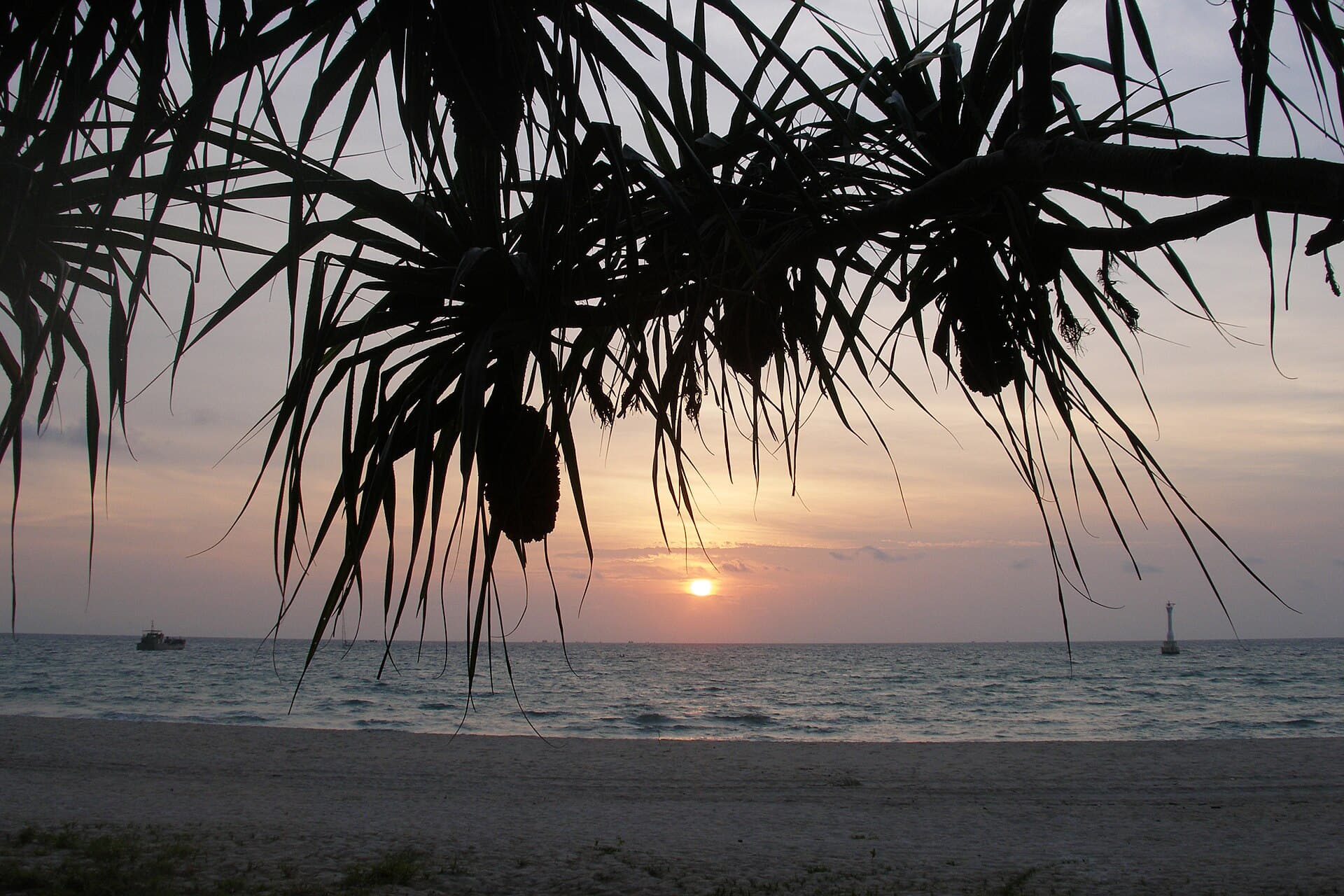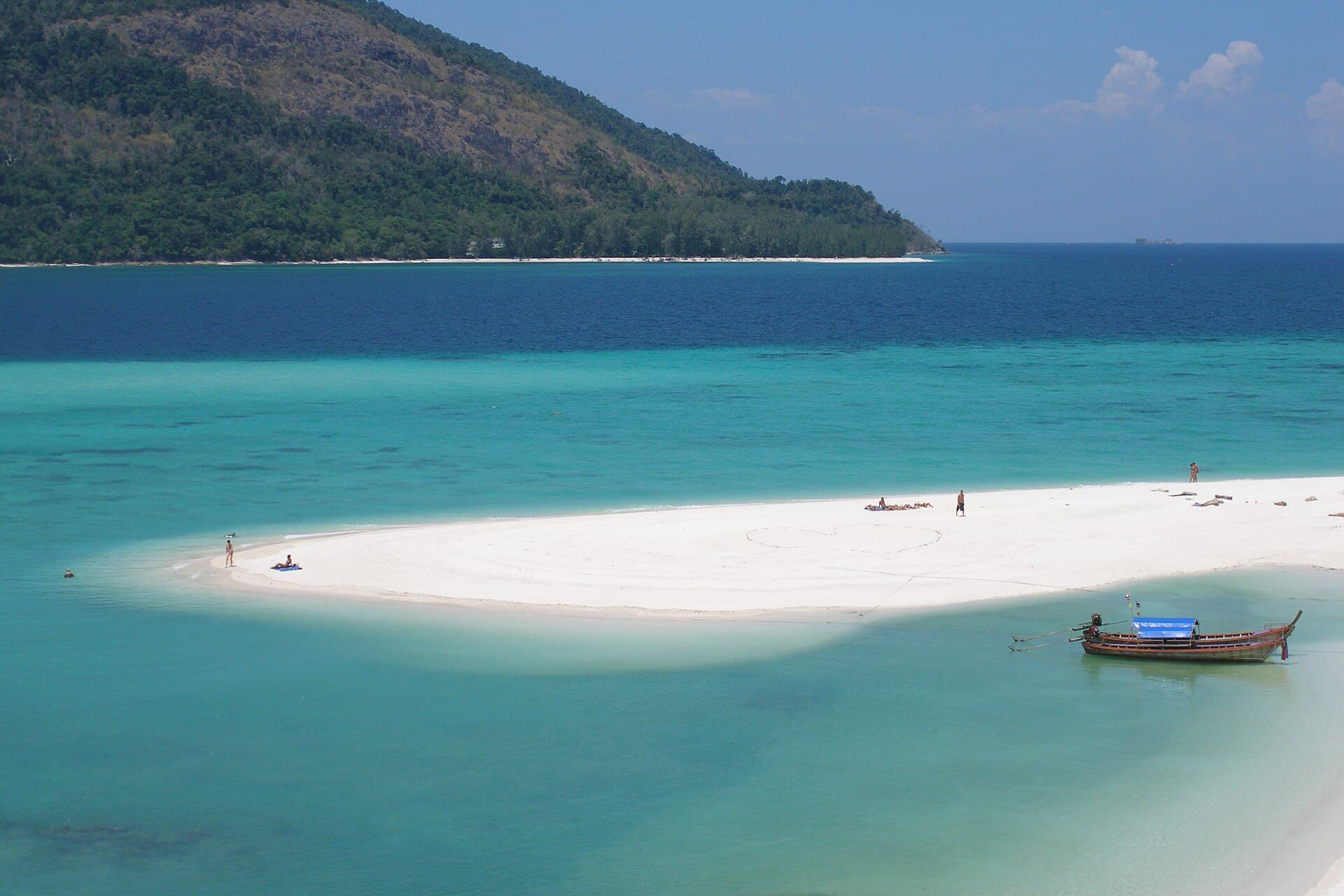
Tarutao National Marine Park is one of the most beautiful corners of Thailand and one of the least effortless to reach — which is part of its appeal. This guide covers how to plan it well: where to base yourself, how long to stay, when the islands are open, what the fees are and what things really cost.
The park at a glance
- Where: the Andaman Sea off Satun province, the southernmost province on Thailand’s west coast, bordering Malaysia.
- What: 51 islands in two main groups — the big, forested island of Koh Tarutao near the mainland, and the Adang–Rawi archipelago further west, which includes Koh Adang, Koh Rawi and Koh Lipe.
- Protected since: 1974, as one of Thailand’s first marine national parks.
- Base: Koh Lipe, the only island with a village, resorts and restaurants.
How long do you need?
- Three nights — the minimum, given the journey: one island-hopping day, one beach day.
- Five to seven nights — the sweet spot: add Chado Cliff, a dive or a private boat, and genuine downtime.
- Ten nights or more — split the stay: a few nights on Koh Tarutao in park bungalows, then Lipe, perhaps continuing to Langkawi or north to the Trang islands.
Getting there
Fly to Hat Yai (or Trang), take a van to Pak Bara and a speedboat to Lipe — about 3.5–4.5 hours door to door. In season there are also ferries from Langkawi and speedboats from Koh Lanta. Our getting here guide compares every option.
What to see and do
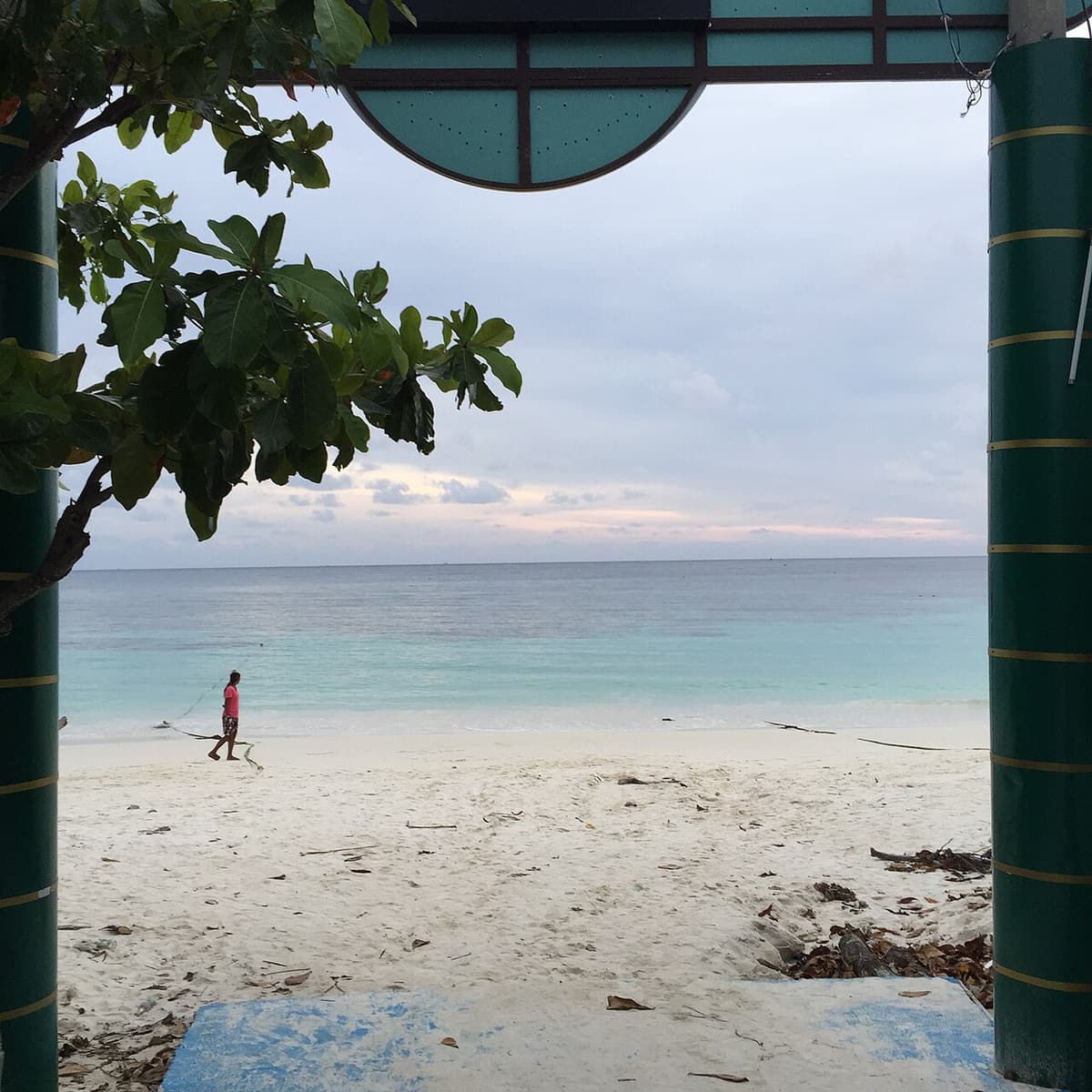 Koh Lipe
 Pattaya Beach, Koh Lipe
Lipe’s arrival beach and its liveliest bay
The long, crescent-shaped bay on Lipe’s south coast, where most boats from Pak Bara and Langkawi arrive. Soft white sand, calm water in the high season, beachfront restaurants and bars — and, just offshore, a reef good enough for snorkelling straight from the sand.
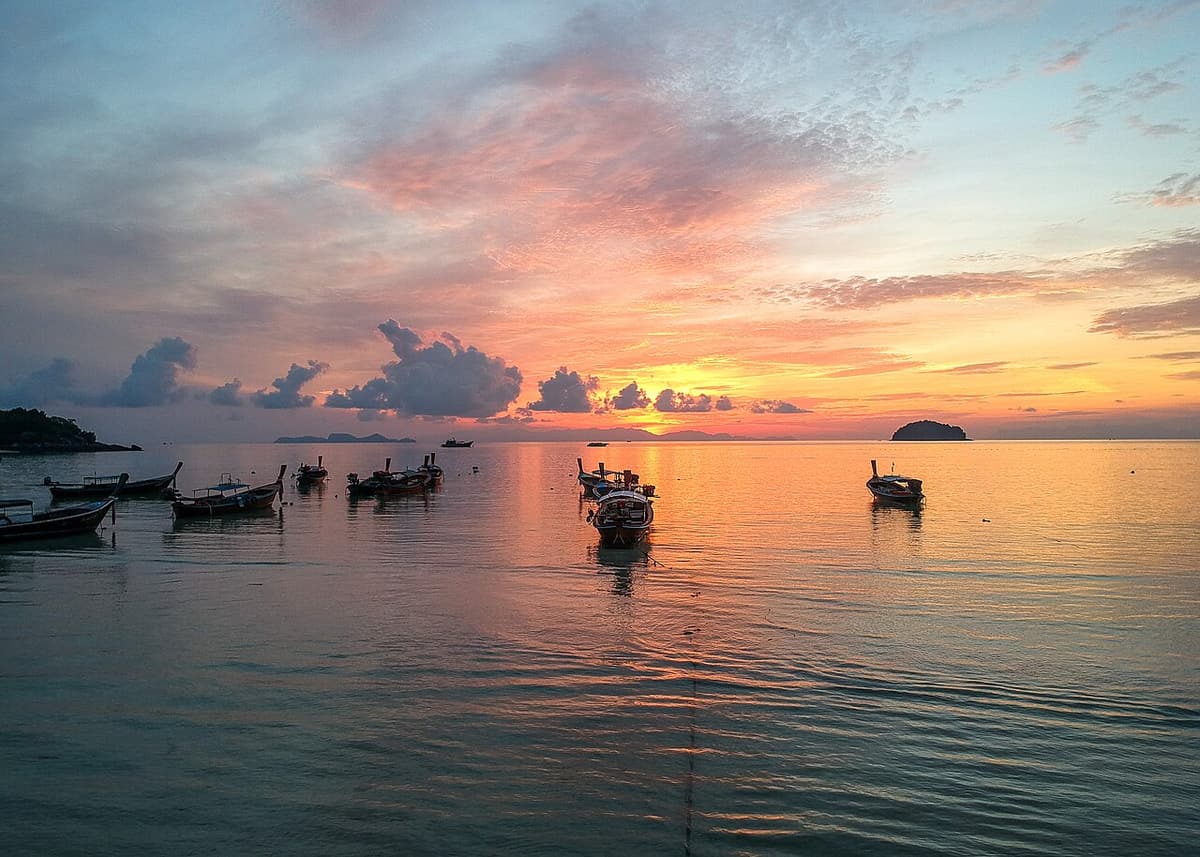 Koh Lipe
 Sunrise Beach, Koh Lipe
Longtails, a sandbar and the view to Koh Adang
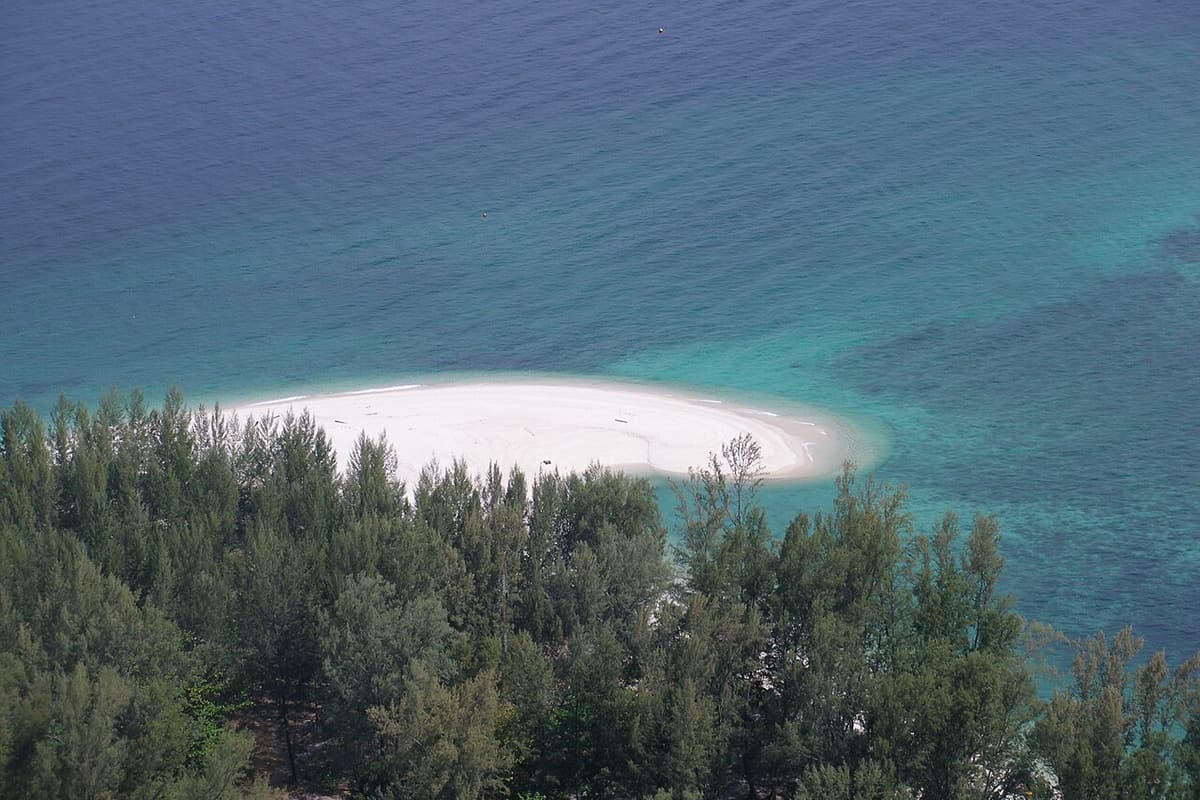
Lipe’s east-facing beach, running north to a white sandbar that points across the channel at the jungle-covered peaks of Koh Adang. It is where the longtail boats gather, where the Urak Lawoi village begins, and — as the name suggests — the place to be at dawn.
 Adang–Rawi islands
 Koh Adang
Jungle peaks and the Chado Cliff viewpoint
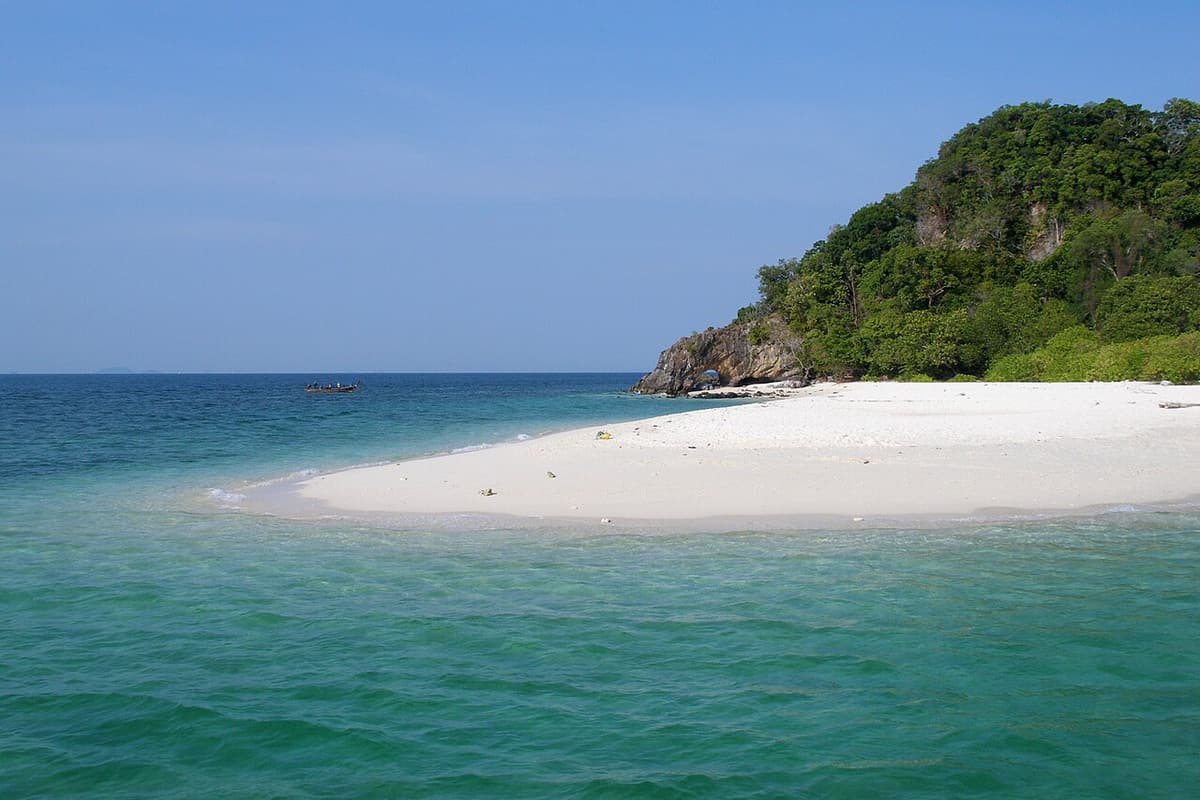
The big, mountainous island just north of Lipe, almost entirely covered in rainforest. From the national park station at Laem Son a steep trail climbs to Chado Cliff, the famous viewpoint over Lipe and the islands; there are also forest trails, a small waterfall and quiet beaches.
 Adang–Rawi islands
 See all of them, with directions and tours, in our things to do guide.
Park fees and rules
- Entrance fee: the national park charges every visitor an entrance fee, collected at Pak Bara or on arrival on the islands. In recent years it has been around 200 baht for foreign adults and 100 baht for foreign children, with lower rates for Thai residents. Check the current fee — national park prices in Thailand are revised from time to time.
- Protected nature: do not touch or stand on coral, feed fish, collect shells or take stones — especially the famous stones of Koh Hin Ngam.
- Plastic: Thai national parks restrict single-use plastic and foam. Bring a refillable bottle and take all rubbish back with you.
- Drones: flying a drone in a national park requires permission; check the rules before you launch.
What it costs
Koh Lipe is pricier than the mainland because everything arrives by boat, but it still covers every budget:
| Item | Typical price |
|---|---|
| Hat Yai Airport to Koh Lipe, van + speedboat | from ≈€34 (booked online) |
| Half-day shared snorkelling trip | from ≈€16 |
| Full-day island-hopping trip with lunch | ≈€20–35 |
| Private longtail, half day to full day | ≈€90–140 per boat |
| Try-dive / discover scuba | ≈€70–80 |
| National park entrance fee (foreign adult) | around 200 baht — check current rate |
| Thai curry or pad thai on Walking Street | ≈100–250 baht |
| Grilled seafood dinner on the beach | priced by weight; ≈400–1,000+ baht |
| Simple bungalow, double | from ≈800–1,500 baht in high season |
| Beachfront resort, double | ≈3,000–8,000+ baht in high season |
The Urak Lawoi of Koh Lipe
Long before the first bungalow, Koh Lipe and Koh Adang were home to the Urak Lawoi, one of the Chao Leh (“sea people”) groups of the Andaman coast — seafaring people with their own Austronesian language, animist beliefs and fishing traditions. Their village still lines the Sunrise Beach side of Lipe, and twice a year they hold the Loy Rua boat-floating ceremony, launching a small decorated boat to carry away bad luck. Tourism has brought income but also pressure on land; be a respectful visitor — ask before photographing people, and buy fish, rides and handicrafts directly from local people where you can.
Food
Satun cooking mixes southern Thai and Malay traditions: spicy gaeng som (sour curry), rich massaman, roti with curry for breakfast, and fresh seafood grilled on the beach at night. Many local restaurants on Lipe are Muslim-run and serve no alcohol; bars and resort restaurants do.
Practical details
- Money: the currency is the Thai baht. Lipe has ATMs (with a fee for foreign cards) and card payment is common at resorts, but many small places are cash only. Bring a buffer from the mainland; Koh Tarutao has no ATMs at all.
- Language: Thai; English is widely spoken in tourism. Many locals also speak Malay or the Urak Lawoi language.
- Electricity: 220 V; sockets take most European and US plugs. Power cuts are rare on Lipe; park bungalows on Tarutao have limited hours of electricity.
- Connectivity: 4G/5G on Lipe is good; coverage on Tarutao and Adang is patchy.
- Health: Lipe has small clinics and a health centre; serious cases go to the mainland. Get travel insurance that covers diving and evacuation.
- Safety: the islands are very safe. Satun is not affected by the unrest in Thailand’s deep-south provinces further east, but check your government’s travel advice for the region before you go.
What to pack
- Reef-safe sunscreen, a hat and a rash vest for snorkelling.
- Water shoes or sandals for wet landings and rocky beaches.
- Proper shoes for the Chado Cliff and Toe-Boo Cliff trails.
- A dry bag for boat days and arrivals by longtail.
- Insect repellent — sandflies and mosquitoes can be fierce on Tarutao.
- A torch, a refillable water bottle, and enough cash.
Common mistakes
- Booking flights without checking the last boat from Pak Bara — and getting stuck on the mainland.
- Planning to visit Tarutao or Adang between mid-May and mid-October, when they are normally closed.
- Leaving the island-hopping trip to your last day. If the weather cancels it, there is no second chance.
- Arriving from Langkawi without checking Thai entry rules first.
- Taking stones from Koh Hin Ngam or shells from the beaches — it is prohibited, and bad luck besides.